0
Years
Experience
Rare Metals and Minerals
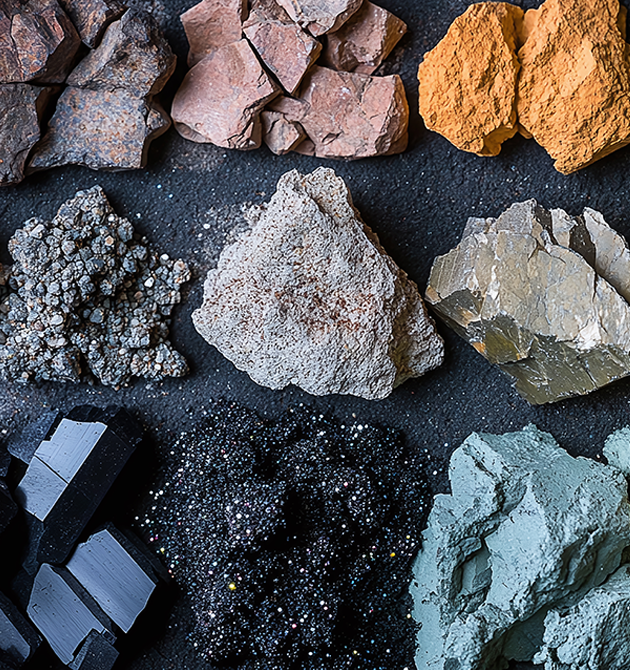
Rare metals are elements that occur in low concentrations in the Earth’s crust, making them challenging to mine and refine. Rare minerals are naturally occurring compounds that serve as primary sources for extracting these metals. These materials exhibit exceptional properties, enabling cutting-edge applications across various industries.
These materials exhibit exceptional properties, enabling cutting-edge applications across various industries.
Client Satisfaction
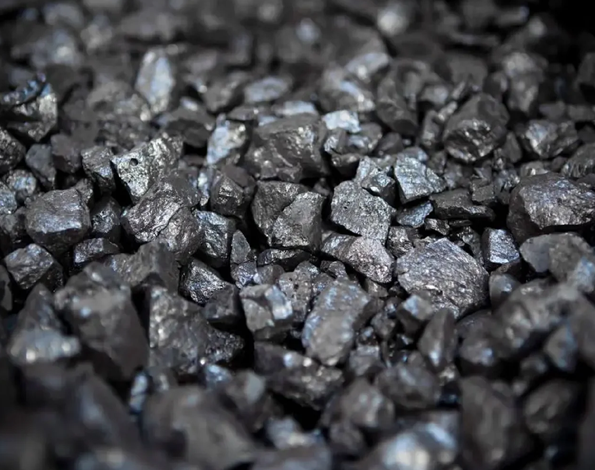
Minor Metals
Antimony, bismuth, cadmium, and selenium are often by-products of base metal mining.
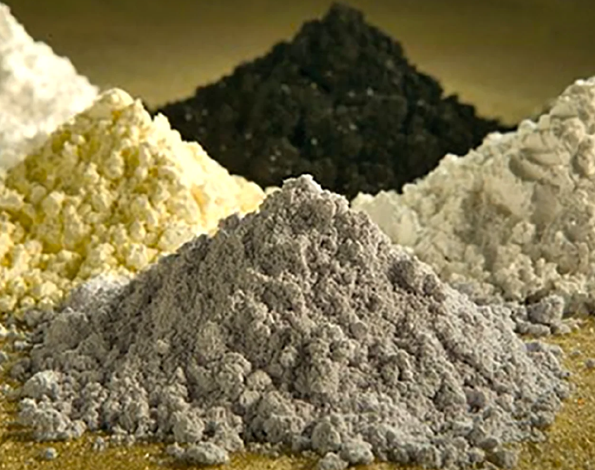
Rare Earth Elements (REEs)
Lanthanides like neodymium and ytterbium, essential for electronics, magnets, and green technologies.
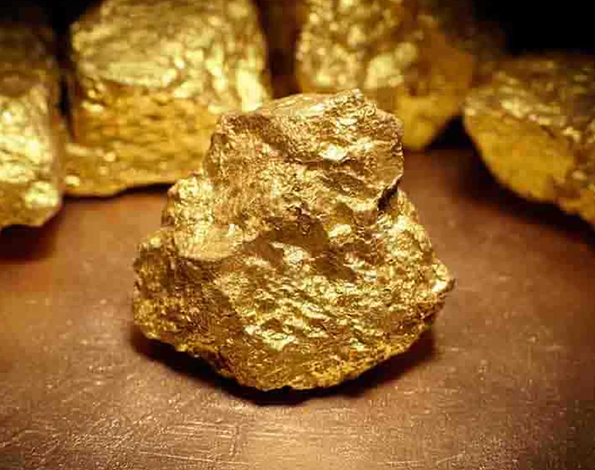
Precious Metals
Platinum group metals (PGMs) like palladium, rhodium, and iridium are known for their catalytic and corrosion-resistant properties.
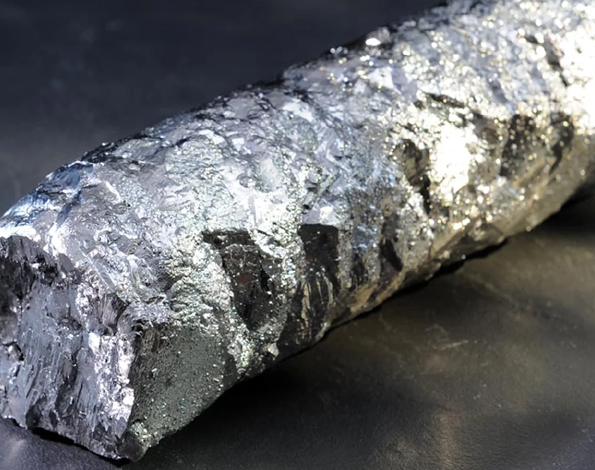
trategic Metals
SLithium, cobalt, and nickel are crucial for batteries and renewable energy solutions.
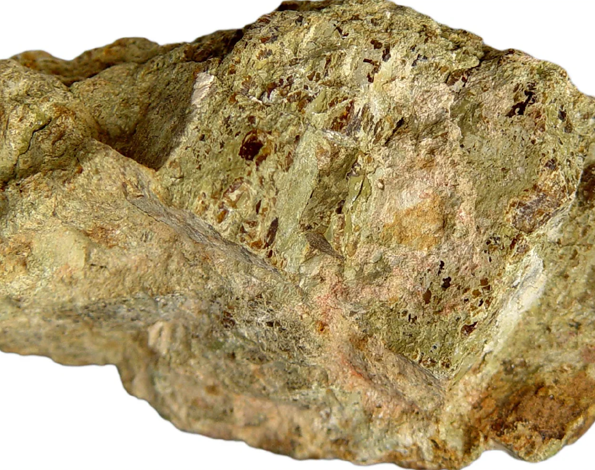
Monazite and Bastnaesite
Sources of rare earth elements.
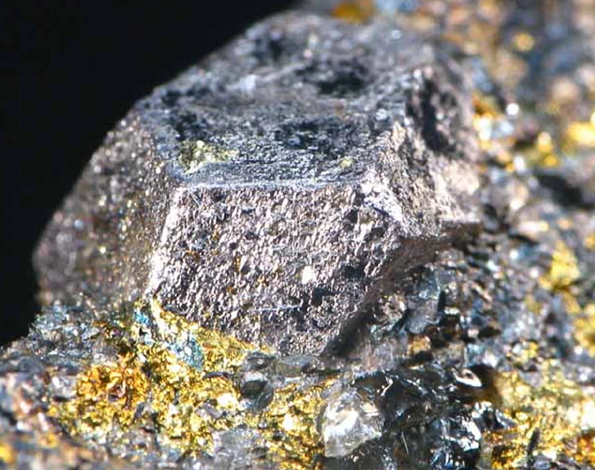
Cobaltite and Pentlandite
Contain cobalt and nickel for battery technologies.
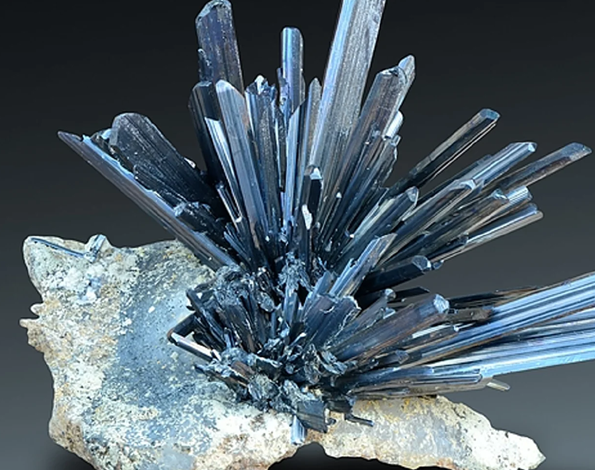
Stibnite
A key source of antimony.

Technology and Electronics
Rare earth elements in smartphones, laptops, and semiconductors. Gallium and indium in LED and display technologies.

Catalysis and Chemical Industry
Palladium and rhodium in catalytic converters for emission control. Bismuth is a lead-free alternative in various chemical processes.
Energy and Renewables
Lithium, cobalt, and nickel in rechargeable batteries for electric vehicles. Rare earth magnets in wind turbines and hybrid cars.
Healthcare and Medicine
Platinum in cancer therapies and medical devices. Tantalum in surgical implants due to its biocompatibility.
Aerospace and Defense
Titanium, niobium, and tantalum in high-strength alloys. PGMs in military-grade electronics and advanced sensors.